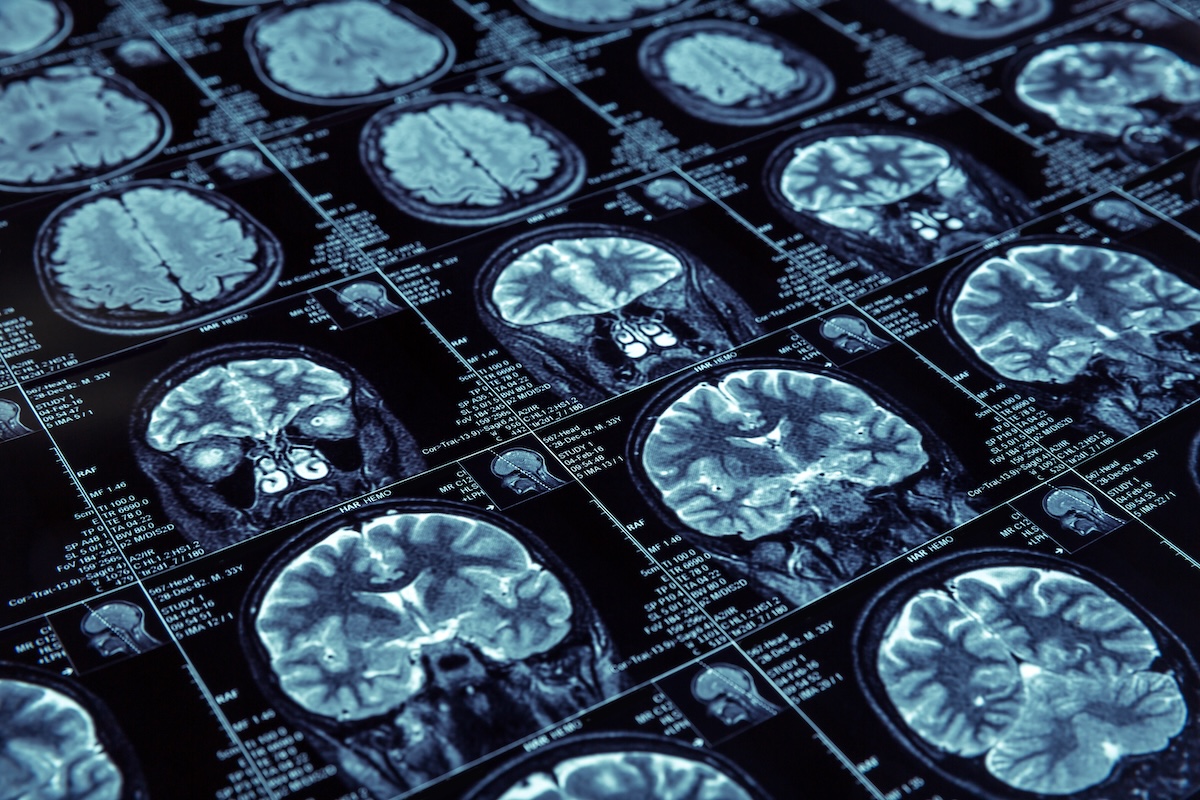

This month is National Alzheimer’s Disease Awareness Month, as designated by the Alzheimer’s Foundation of America. The observance was originally recognized in 1983, and the AFA has chosen teal as the official awareness color. The month is dedicated to recognizing the more than 6 million Americans living with the disease and provides them and their caregivers with support.
Research for Alzheimer’s disease has grown significantly since 2015, and this has largely been energized by a substantial increase in funding and a deeper understanding of the disease’s underlying mechanisms. Critical advancements in Alzheimer’s research and care are seen in the development and approval of disease-modifying treatments, the creation of advanced diagnostic tools (especially blood tests), and the identification of new genetic and lifestyle risk factors.
One key area of growth is in development of monoclonal anti-amyloid antibodies such as
aducanumab (Aduhelm®), lecanemab (Leqembi®), and donanemab (Kisunla®) that work by helping to clear beta-amyloid plaques from the brain — clinical trials have shown they can slow cognitive decline. In addition, more than 400 clinical trials are underway exploring various targets beyond amyloid and tau proteins, including inflammation, metabolism, and vascular health.
One interesting newly published study has found that a disrupted circadian rhythm may be a significant contributing factor in Alzheimer’s disease. This disruption, triggered by amyloid buildup, impairs normal gene timing in microglia and astrocytes, cells vital for brain maintenance and immune defense.
Study lead author Erik S. Musiek, MD, PhD, noted that approximately half of the 82 genes associated with Alzheimer’s disease risk are controlled by circadian rhythm, which regulates approximately 20% of all genes in the human genome. As Alzheimer’s symptoms tend to follow a repeating daily pattern, the team suspected more circadian-regulated proteins and genes might be involved.
In the new study, they examined gene activity in the brains of mice that developed amyloid build-up, as well as in healthy young mice and older mice without plaques. Samples were collected every two hours over a full 24-hour period to track how gene expression changed across the circadian cycle.
The researchers found that amyloid deposits disrupted the normal rhythm of hundreds of genes in two key types of brain cells — microglia and astrocytes. Microglia act as the brain’s immune cells, clearing away waste and harmful materials, while astrocytes help neurons communicate and maintain healthy function. Many of the affected genes are normally responsible for microglia’s ability to remove waste, including amyloid.
In earlier research, Dr. Musiek identified a protein called YKL-40 that naturally fluctuates throughout the day and helps control normal levels of amyloid in the brain. Too much YKL-40, which is linked to Alzheimer’s risk in humans, can trigger the build-up of amyloid, causing formation of amyloid plaques, a hallmark of Alzheimer’s.
How Andrographis paniculata supports neuroprotection
Andrographis paniculata is a traditional herb in Southeast Asia and has been described as an important anti-inflammatory agent. Its key active, Andrographolide, supports healthy function of the central nervous system, including a reduction of oxidative stress.
World-renowned Andrographis researcher Dr. Juan Hancke explained: “Andrographolide keeps tau molecules from collapsing and tangling, as well as reduces oxidative stress and inflammation in the brain.”
NeuroActin® is a standardized extract of Andrographis paniculata, standardized to andrographolide, 14-deoxyandrographolide, and neoandrographolide.
Our pre-clinical studies have found NeuroActin® may promote integrity of brain structure and function, and can help stimulate better learning and memory. While these studies were performed on mice, the results have been very clear. And yes, we do plan on performing human studies to validate the claims below.
Benefits of NeuroActin®
- Promotes healthy brain & cognition function*
- Supports youthful memory & cognition*
- Encourages healthy neurochemical function*
- Encourages healthy mood & memory*
- Offers potent neuroprotective benefits*
- Supports healthy brain cell growth and function*
- Inhibits enzymes that contribute to normal cognitive decline*
- Helps inhibit inflammation to promote brain health*
- Inhibits GSK-3β, thereby improving mood*
Please note that NeuroActin® is a dietary supplement ingredient and is therefore not intended to be used and marketed as a drug. NeuroActin® supports healthy brain structure and function, as well as cognition and memory.
*The ingredient and the information provided have not been evaluated by the Food and Drug administration. The product is not intended to diagnose, treat, cure, or prevent any disease.